 Cricket
 Tennis
 Football
 Table Tennis
 Casino
 Volleyball
 Baseball
 Basketball
 Horse Racing
 Politics
 Greyhound Racing
 Binary
 Int Casino
 Sports Book
 Ice Hockey
 Darts
Darts Futsal
 Rugby
Rugby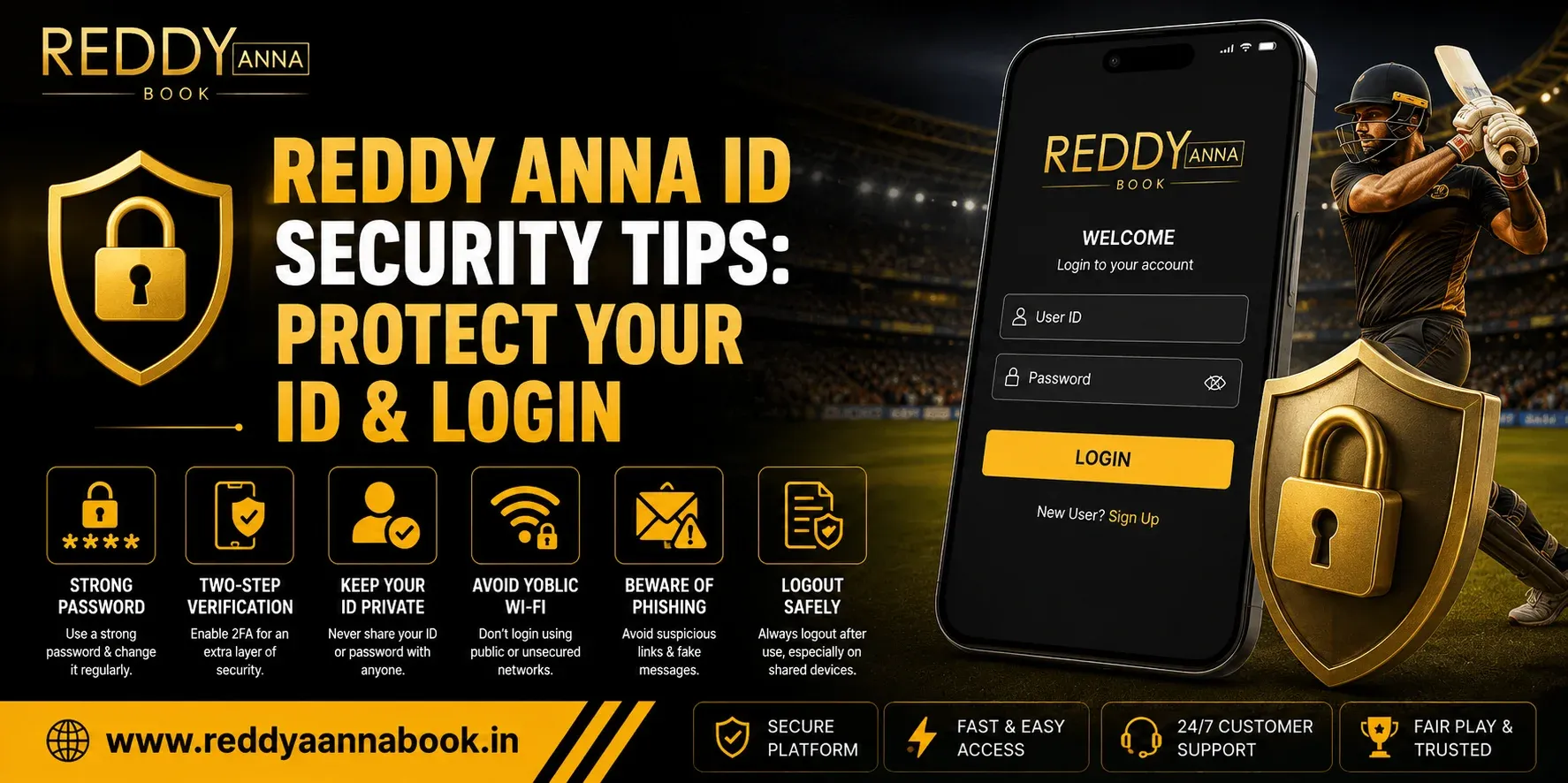
Online account security has become very important because more and more services are now on websites and mobile apps. Reddy Anna Book An account can have information, login details, records of transactions and other private things. Keeping these things safe can help lower the chances of someone getting in without permission falling for phishing attempts having identity stolen or facing fraud.
For people looking for information about Reddy Anna ID security, learning cybersecurity habits is more important than just knowing how to sign in. Using a password, being careful when logging in, keeping devices safe and watching out for strange messages can all help keep an online profile protected.
This guide talks about ways to protect an account ID and login details, spot common scams, keep mobile access safe and act properly if something strange happens.
What Is a Reddy Anna ID?
A Reddy Anna ID is usually a code that connects to an online account. This ID helps tell one account from another. It is not the same as a password or any kind of login code.
Users should understand the difference between account information and security credentials.
An account may contain:
- Account identification information
- Login credentials
- Personal details
- Transaction records, where applicable
- Account preferences
- Communication history
Because an account may contain private information, users should treat account details carefully and avoid sharing them with unauthorized people.
Why Protecting Your ID and Login Matters
An account ID by itself might not let someone get into an account.It can be helpful to bad people when they have more details. For example a person who wants to trick others might use an account ID to make a fake message look more real.
Strong security practices can help reduce risks such as:
- Unauthorized account access
- Phishing attempts
- Password theft
- Identity misuse
- Fake customer-support scams
- Malicious applications
- Financial fraud
Account security should therefore be treated as an ongoing process rather than a one-time task.
Use a Strong and Unique Password
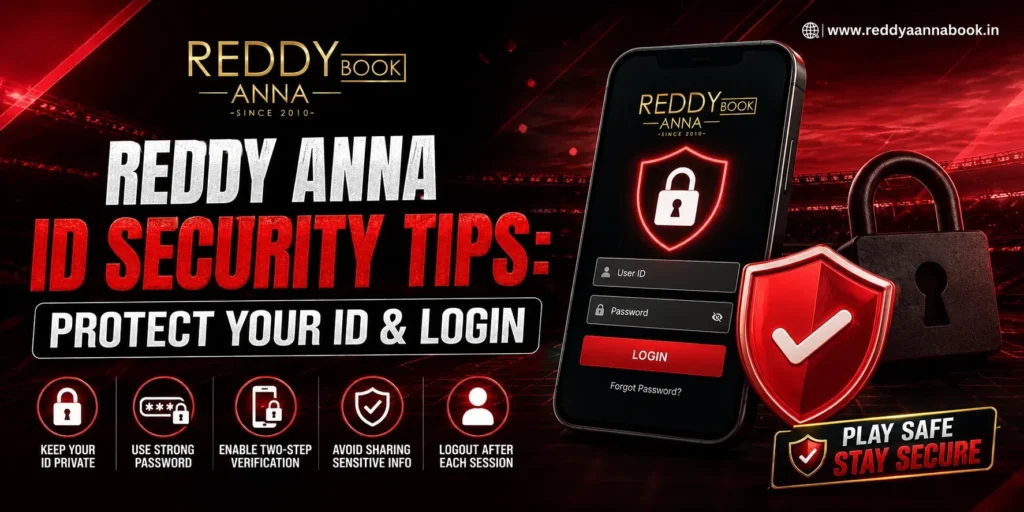
One of the most important ways to protect a Reddy Anna Login is to use a strong, unique password.
A good password should avoid obvious information such as your name, birthday, phone number, or simple number sequences.
Consider these practices:
- Use a long password or passphrase.
- Avoid reusing passwords across different websites.
- Do not use easily guessed personal information.
- Change a password if you believe it has been exposed.
- Consider using a reputable password manager.
Using the same password across multiple websites increases the potential impact of a data breach on another service.
Never Share Your Login Credentials
Passwords are private authentication information. They should never be shared with friends, agents, strangers, or people claiming to provide technical assistance.
You should also never disclose:
- Passwords
- One-time passwords
- Authentication codes
- Banking PINs
- Card security codes
- Digital-wallet passwords
- Recovery codes
A legitimate support representative should not need your private password or one-time authentication code to verify your identity.
If someone asks for these details, stop the conversation and verify the request independently.
Be Careful With Reddy Anna Login Links
Phishing websites often imitate legitimate login pages. A message may contain a link that looks convincing but directs users to a fraudulent website.
Before entering login information:
- Check the website address carefully.
- Look for unusual spelling or extra characters.
- Avoid shortened links from unknown sources.
- Do not rely solely on a familiar-looking logo.
- Access the service through a trusted, verified source.
Never enter your password on a website simply because someone sent you the link through a messaging application or social media.
Watch Out for Fake Support Representatives
Customer-support impersonation is a common online fraud technique. Someone may claim that they can fix a login problem, activate an account, process a transaction, or resolve a verification issue.
They may request sensitive information such as:
- Passwords
- OTPs
- Account recovery codes
- Banking information
- Remote access to your device
Do not provide these details. Instead, use an independently verified support channel. The Reddy Anna Book name or any other platform name should never be used as a reason to bypass normal security procedures.
Protect Your Mobile Device
Many users access online accounts from smartphones. Keeping the device secure is therefore an important part of protecting account credentials.
Recommended practices include:
- Use a PIN, password, or biometric screen lock.
- Keep the operating system updated.
- Install security updates promptly.
- Download applications only from trusted sources.
- Remove applications you no longer need.
- Avoid installing modified applications.
- Review application permissions regularly.
A secure account can still be compromised if the device used to access it is poorly protected.
Be Careful With the Reddy Anna APP
If an official Reddy Anna APP is offered, users should verify its source before downloading it. Unofficial APK files can potentially contain malicious software or request unnecessary permissions.
Before installing any application, check:
- The source of the application
- The developer information
- Requested permissions
- Application reviews and reputation
- Update history
- Whether the download page is legitimate
Avoid applications sent directly by unknown individuals through messaging services. Do not disable important device-security protections simply to install an application.
Keep Your Browser Updated
A web browser is another important part of account security. Older software may contain vulnerabilities that attackers can exploit.
Users should:
- Install browser updates promptly.
- Keep security features enabled.
- Avoid unknown browser extensions.
- Remove extensions that are no longer required.
- Avoid saving passwords on shared computers.
When accessing an account from a public or shared device, avoid saving login credentials.
Use Secure Networks
Public Wi-Fi can create additional security risks, especially when users access accounts containing personal or financial information.
When possible:
- Use a trusted private network.
- Avoid sensitive account activity on unsecured public Wi-Fi.
- Use mobile data when appropriate.
- Do not connect to suspicious networks.
- Disable automatic connection to unknown Wi-Fi networks.
A secure connection is particularly important when entering login credentials or reviewing sensitive account information.
Recognize Phishing Messages
Phishing messages attempt to convince users to reveal private information or visit fraudulent websites.
Common warning signs include:
- Urgent requests
- Threats of account closure
- Promises of special rewards
- Requests for OTPs
- Requests for passwords
- Suspicious links
- Poor spelling or unusual wording
- Pressure to act immediately
A message claiming that your account will be blocked unless you provide an OTP should be treated with caution.
Do not click suspicious links. Instead, verify the account status through an independently accessed official channel.
Protect Your Reddy Anna Club Information
If a membership service such as Reddy Anna Club is associated with an account, users should apply the same security principles to membership information.
Membership details should not be shared publicly if they contain account identifiers or other personal information.
Be particularly cautious of messages claiming to offer:
- VIP upgrades
- Exclusive account benefits
- Special access
- Account activation
- Promotional rewards
Any such claim should be verified through a trusted source before taking action.
Be Cautious With Reddy Anna Pro Claims
Users may encounter references to Reddy Anna Pro or other advanced account services online. Fraudsters can sometimes use recognizable names to make scams appear legitimate.
Do not assume that a message is genuine because it mentions a familiar service name.
Before responding:
- Verify the sender.
- Check the website independently.
- Review official account information.
- Avoid sharing credentials.
- Do not install unknown software.
- Do not transfer money based solely on an unsolicited message.
Security decisions should be based on verified information rather than promotional claims.
Protect Personal Information
Users should limit the amount of personal information they share online.
Avoid publicly posting information such as:
- Full date of birth
- Phone number
- Email address
- Account identifiers
- Identity documents
- Banking information
- Password-reset details
Scammers can combine publicly available information with leaked credentials to create convincing social-engineering attacks.
Review your social-media privacy settings and avoid posting information that could help someone guess your passwords or security questions.
Check Account Activity Regularly
Regular monitoring can help users identify suspicious activity earlier.
Look for:
- Unexpected login notifications
- Unfamiliar account changes
- Unknown devices
- Unrecognized transactions
- Unexpected password-reset messages
- Changes to contact information
If something looks unusual, investigate it promptly through an independently verified support channel.
What to Do If Your Account May Be Compromised
If you suspect unauthorized access, act quickly.
Change Your Password
Use a new, unique password that has not been used elsewhere.
Secure Your Email Account
If the same password was used for your email account, change it immediately. Email access can sometimes be used to reset other accounts.
Review Account Activity
Look for unfamiliar changes, transactions, or login notifications.
Remove Unknown Devices
If the service provides active-session management, sign out of devices you do not recognize.
Contact Verified Support
Use an independently verified support channel to report suspicious activity.
Monitor Financial Accounts
If financial information may have been exposed, contact the relevant bank or payment provider through its official contact details.
Do Not Trust “Account Recovery” Scams
After an account is compromised, users may become targets for additional scams. Fraudsters may claim that they can recover the account for a fee.
Be cautious of anyone promising:
- Guaranteed account recovery
- Guaranteed refunds
- Immediate withdrawal releases
- Password recovery in exchange for payment
- Access to restricted accounts
Never give remote access to your device or transfer money to an unknown person simply because they claim they can recover an account.
Reddy Anna Login Security Checklist
Before accessing an account, use this simple checklist:
- Confirm the website address.
- Use a unique password.
- Keep your device updated.
- Avoid suspicious links.
- Never share OTPs.
- Never share your password.
- Avoid unknown applications.
- Use secure networks.
- Monitor account activity.
- Report suspicious behavior promptly.
Following these basic steps can significantly improve general online account security.
Common Security Mistakes to Avoid
Reusing Passwords
A compromised password from another website can put your account at risk.
Sharing OTPs
One-time passwords are designed to help verify access. Never disclose them to another person.
Downloading Unknown APKs
Modified or unofficial applications can introduce security risks.
Clicking Urgent Links
Scammers often create a sense of urgency to prevent users from checking whether a message is genuine.
Trusting Social-Media Representatives
A social-media profile using a familiar name or logo does not automatically prove that it is an authorized representative.
Saving Credentials on Shared Devices
Avoid saving passwords on computers or phones used by other people.
Frequently Asked Questions
What is a Reddy Anna ID?
A Reddy Anna ID generally refers to an identifier associated with a registered online account. It is different from a password or OTP.
How can I protect my Reddy Anna Login?
Use a strong, unique password, verify the website address, avoid suspicious links, keep your device updated, and never share authentication codes.
Should I share my OTP with customer support?
No. One-time passwords and authentication codes should remain private.
How can I identify a fake Reddy Anna APP?
Verify the application’s source and developer information. Avoid modified APK files or applications received from unknown contacts.
Is an account ID safe to share publicly?
It is better to keep account identifiers private, particularly if they are connected with personal or financial information.
What should I do if someone asks for my password?
Do not provide it. End the interaction and contact the service through an independently verified support channel.
Conclusion
Protecting an account requires more than keeping the account ID private. Strong passwords are important. Secure devices are important. Careful browsing is important. Phishing awareness is important. Responsible handling of information is important. All of these things contribute to security.
Importantly never share passwords. Never share OTPs. Never share banking PINs. Never share authentication codes. Verify websites on your own. Avoid applications. Monitor account activity. Report behavior as soon as possible.
Good cybersecurity habits cannot stop every threat.. They can greatly lower the chance of unauthorized access. They can also reduce types of digital fraud.